
What Actually Happens During a Body Contouring Session in Seoul?
Top Non-Invasive Fat Reduction Treatments in Seoul for Safe Body Contouring
Non-invasive fat reduction in Seoul represents a cutting-edge aesthetic approach that selectively destroys stubborn fat cells through technologies like cryolipolysis, high-intensity focused ultrasound, or radiofrequency. These procedures target localized deposits—such as abdominal, thigh, or submental areas—without surgical incisions, needles, or downtime, allowing the body to metabolically process and eliminate the treated fat over two to three months. Patients typically undergo a single 30-to-60-minute session per area, during which they can rest or work, and then resume daily activities immediately, seeing gradual contour improvements that are most effective when paired with a healthy diet and regular exercise.
What Actually Happens During a Body Contouring Session in Seoul?
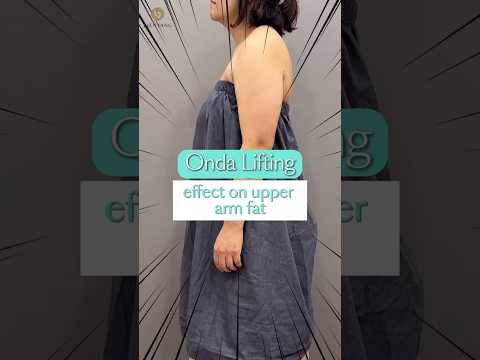
You arrive at a Gangnam clinic, change into disposable undergarments, and lie on a treatment bed. A technician maps your target area with a measuring tape and photographs it for baseline comparison. For cryolipolysis, paddles are placed on your abdomen or flanks; you feel intense cold and suction for about 35 minutes, then the device is removed and the area is massaged to break up crystallized fat cells. With HIFU or radiofrequency, a handheld probe glides over the skin, delivering heat pulses that feel like deep, intermittent pinpricks—no numbness, just warmth. Sessions last 45–90 minutes total. Afterward, you dress immediately; there is zero downtime, though mild redness or tenderness may persist for hours. Most clients schedule 3–6 visits, spaced two to four weeks apart, to see gradual contour changes. *Q: Does it hurt?* A: Only a strong pulling or heating sensation—never sharp pain.
The Step-by-Step Process from Consultation to Cool-Down
In Seoul’s non-invasive fat reduction clinics, the step-by-step process from consultation to cool-down begins with a body composition analysis and ultrasound mapping to pinpoint adiposity. The practitioner then marks target zones and selects applicator size based on circumference measurements. After cleansing the skin, the device’s cooling panels are applied with a gel membrane, delivering controlled temperatures between 4–8°C for 35–60 minutes. During this phase, you may feel intense cold followed by numbness; brief manual massage breaks are scheduled if discomfort peaks. Post-treatment, the clinician performs a manual massage for 5–10 minutes to break down crystallized fat cells. Finally, the cool-down phase involves gradual skin rewarming using a warm compress, hydration check, and immediate aftercare instructions—such as avoiding anti-inflammatory medication for 48 hours. The entire sequence typically lasts 90 minutes, with no downtime between steps.

How Long Each Treatment Takes and What You Feel in Real Time
A single session of non-invasive fat reduction in Seoul typically spans 30 to 60 minutes, depending on the device and target area. Cryolipolysis applicators hold the skin for about 35 minutes, during which you feel intense cold followed by numbness—a sensation that fades into a dull ache once suction releases. Focused ultrasound, by contrast, requires only 20–30 minutes per zone; each pulse delivers a sharp, prickling heat that builds cumulatively, leaving a warm, tender soreness for the remainder of the appointment. Radiofrequency treatments run 40–50 minutes, with a rhythmic hot-and-deep pressure that intensifies as technicians increase energy levels. Throughout any protocol, real-time sensation tracking helps practitioners adjust power, ensuring you experience manageable discomfort rather than pain. You’ll notice immediate skin redness or tingling, but these subside within hours, while the underlying tissue continues its metabolic response over subsequent weeks.
Why Seoul Clinics Use Ultrasound, Cryo, and RF—and How They Differ on Your Body
Seoul clinics stack ultrasound, cryo, and RF because each hits fat differently. Ultrasound melts fat cells from the inside using heat, so you feel a deep warming buzz while the tissue liquefies. Cryo, the opposite, cools fat to freezing—the numbing suction is intense for the first five minutes, then you just sit with a cold brick sensation. RF targets the skin and fat layer with radio waves, giving a hot, prickly massage that tightens collagen as it shrinks fat. That’s why they’re paired: ultrasound breaks fat, cryo freezes stubborn pockets, and RF smooths the aftermath. Your body feels each one distinctly—from burned, chilled, to heated—so the session never feels monotonous.

How to Pick the Right Non-Surgical Fat Freezing or Melting Method for Your Body Type
Choosing between fat freezing (cryolipolysis) and laser or RF melting in Seoul hinges on your specific fat density and skin laxity. For stubborn, pinchable fat on the abdomen or flanks, targeted cryolipolysis in Gangnam clinics excels at crystallizing and eliminating these cells. However, if your concern involves looser skin or fibrous areas like the inner thighs or chin, opt for a laser or high-intensity focused ultrasound (HIFU) melt, which tightens collagen while reducing volume. Evaluate your body mass index: fat freezing suits those near a healthy weight with localized bulges, whereas melting methods better address thin, uneven fat deposits. Always request a clinician’s body composition analysis using a caliper or ultrasound to map fat thickness, ensuring the chosen device penetrates the correct depth for your torso or limb. Prioritize a clinic offering both modalities so you can switch based on real-time feedback.
Love Handles vs. Belly vs. Chin: Which Technology Targets Each Zone Best
For love handles, **cryolipolysis with vacuum applicators** is your best bet, as the suction gently pulls the stubborn flank tissue into the cooling plates, ensuring deep, even contact. Your belly, especially the lower pooch, responds better to flat, non-vacuum cryo applicators or focused ultrasound, which can tighten the skin’s surface while melting deeper fat without pinching. The chin, being small and delicate, requires a precise, tiny applicator—either a mini cryo cup or a high-frequency ultrasound tip—to avoid damaging nerves or leaving lumps. Don’t use a body sculpting pad on your face; the suction is too aggressive.
Zone-specific applicator matching is the real secret to avoiding uneven results in Seoul. Clinics here often swap devices mid-session, so always confirm the exact handpiece before they start.
Q: Can one standard fat-freezing paddle work for all three zones?
A: No—a flat paddle won’t grip love handles, a large cup leaves chin redness, and a vacuum tip can bruise your belly. Ask for a multi-technology clinic that stocks separate tools for each area.
What Your BMI and Skin Elasticity Say About Your Ideal Candidate Profile
Your BMI and skin elasticity form the true gatekeepers for non-invasive fat reduction in Seoul. A BMI under 30 with localized, pinchable fat deposits signals an ideal candidate profile, as cryolipolysis or focused ultrasound can effectively target these pockets without risking paradoxical adipose hyperplasia. Conversely, a BMI above 30 often means metabolic fat dominates, making results barely perceptible and wasting your time and budget. Skin elasticity matters equally; if your skin lacks recoil—evident when pinched and released—it may sag after fat cells shrink, revealing laxity you didn’t have before. Aged or sun-damaged skin with poor elasticity rarely achieves the smooth contour you expect from these devices alone. For best outcomes, seek candidate assessment based on BMI and skin recoil before committing to any clinic’s protocol, since practitioners in Seoul use these metrics to decide between high-frequency ultrasound or slower cooling cycles.
How to Spot a Device That’s Genuinely Effective vs. a Gimmick in Gangnam or Hongdae
When you’re scouting clinics in Gangnam or Hongdae, a genuinely effective fat-freezing device will have a cooling applicator that *visibly contours to your specific pinch, not just a flat pad slapped on any spot*. Skip machines that promise “instant” results—real cryolipolysis takes weeks for your body to flush out dead fat cells. Check if the practitioner measures your fat thickness with calipers or ultrasound before choosing an applicator size; gimmicks use one-size-fits-all heads. Ask to see the device’s brand name and research it on the spot—clinics pushing no-name knockoffs often rely on flashy LED lights. Also, a solid consultation includes a frank discussion of how many sessions you need, while a gimmick pushes a package deal upfront. Spotting a gimmick in Gangnam or Hongdae comes down to whether the tech adapts to your body, not the other way around.
What Results Can You Truly Expect, and When Do They Show Up?
With non-invasive fat reduction in Seoul, you can truly expect a 20–25% fat layer reduction in the treated area, not a dramatic weight-loss shift. The first noticeable changes—like a slightly softer contour—usually appear around 3 weeks after your session, but the real payoff hits at the 8–12 week mark when your body finishes flushing out destroyed fat cells. Most clinics here recommend 2–3 sessions spaced 4–6 weeks apart for visible, lasting results; don’t expect anything overnight. Your final outcome is locked in only after 3 months, so patience is key. Also, if you maintain your weight, those fat cells won’t return in that spot—but gain weight back, and remaining cells will expand. So, book accordingly and judge the result at the 12-week check, not earlier.
The Week-by-Week Timeline of Fat Reduction and Skin Tightening
During the first two weeks after your Seoul treatment, your body begins metabolizing disrupted fat cells, though you’ll likely notice only subtle fluid shifts rather than visible change. By weeks three to four, non-invasive fat reduction Seoul results become tangible as the first wave of fat clearance reduces pinch thickness, while collagen stimulation starts laying down new supportive fibers. Weeks five to eight bring the most dramatic contour refinement, as deeper fat layers shrink and skin tightens noticeably, especially along the jawline and abdomen. Between weeks nine and twelve, residual inflammation resolves, and your skin’s elastin remodels fully, revealing the final 80–90% of your outcome. Consistency in hydration and lymphatic massage during this window accelerates smoothing, but avoid judging results before week six—early swelling masks progress.
Expect measurable fat loss by week four, peak skin tightening by week eight, and final, settled contours by week twelve.
How Many Sessions You’ll Need for Visible Inch Loss—and When to Stop
For most patients in Seoul, visible inch loss from non-invasive fat reduction typically appears after **2–3 sessions**, spaced 4–6 weeks apart, with final contouring visible by week 12. A single session may yield only 0.5–1 cm, while cumulative treatments often produce 3–5 cm per targeted area. Stop once you reach your goal or when two consecutive sessions show no measurable change—usually by session 5 or 6. *Pushing beyond six sessions rarely adds meaningful fat reduction and simply wastes time and budget.* Always re-measure at the same body point, at the same time of day, to decide objectively.
Realistic Before-and-After Shifts: What Changes and What Stays the Same
In Seoul’s non-invasive fat reduction clinics, the realistic shift is a slow reveal, not a sudden sculpt. Within two to four weeks, you’ll notice clothes fitting looser, but the scale often stays stubbornly similar—fat cells shrink, they don’t vanish instantly. The **realistic before-and-after timeline** shows your waistline tightening around week six, while skin laxity remains unchanged until collagen catches up by month three. What changes permanently is the fat cell count in treated zones; what stays the same is your remaining fat cells, which enlarge if you gain weight. The sequence is predictable:
- Week 1–2: subtle swelling masks results
- Week 4–6: visible contour shift
- Month 3: final firmness emerges
Your daily habits stay identical—this isn’t a metabolism reset, just a targeted reduction.
How to Prepare and Recover for Maximum Fat Loss in Seoul’s Clinics
To get the most out of non-invasive fat reduction Seoul, start hydrating heavily two days before your session and skip alcohol for 48 hours—this improves lymphatic response. On the day, wear loose clothing and eat a light, protein-rich meal an hour prior. For recovery, book your follow-ups 2–3 weeks apart so your body can process the disrupted fat cells naturally. Immediately after, walk for 20–30 minutes to stimulate drainage, and avoid anti-inflammatory meds like ibuprofen, as they blunt the fat-clearance process. Daily dry brushing and drinking warm water with lemon for the next week will boost results. Stick to maximum fat loss prep in Seoul’s clinics by scheduling sessions in the morning so you can stay active and maintain the metabolic boost all day.
What to Eat and Avoid 48 Hours Before Your Appointment
In the 48 hours before your non-invasive fat reduction Seoul appointment, your meals are a strategic tool. Prioritize lean proteins like grilled chicken or tofu and complex carbs such as sweet potatoes, which stabilize blood sugar and reduce inflammation. Avoid alcohol, salty snacks, and processed sugars, as they cause water retention that can blur the treatment area. Also, skip heavy, greasy foods that tax your liver and slow lymphatic drainage. Instead, hydrate aggressively with water and sip green tea to support your body’s natural detox pathways. Stick to this clean-fuel plan to ensure your tissues are primed for optimal response, helping you unlock the slimming results you’re traveling for.
Post-Treatment Care: Massage, Hydration, and Activity Guidelines for Faster Clearance

After your session in Seoul, prioritize lymphatic drainage massage and hydration to accelerate fat clearance. Book a follow-up massage within 48 hours to break up treated fat cells, and drink at least two liters of water daily to flush released lipids through your system. Avoid intense cardio for 24 hours, but do take gentle walks to stimulate circulation. Skipping your post-treatment massage can leave treated fat cells clumped, slowing visible results for weeks. Saunas and alcohol should be avoided for three days to prevent dehydration, which hampers metabolic removal of debris.
Massage within 48 hours, hydrate aggressively, walk lightly, and avoid heat or alcohol for optimal fat clearance.
How to Manage Bruising, Tingling, or Soreness Without Interrupting Your Seoul Itinerary
To keep moving through Seoul after your session, treat mild bruising or soreness with intermittent cold packs from your hotel minibar—15 minutes on, 30 off—while you rest between subway rides. For tingling, gently massage the area with your palm during morning coffee stops, avoiding any direct pressure over bone. Schedule your treatment for late afternoon, so nighttime sleep becomes your primary recovery window, allowing you to wake ready for palace tours. Wear compression leggings or sleeves under loose clothing; they reduce swelling and let you walk 10,000 steps comfortably. Over-the-counter arnica gel, purchased at any Korean pharmacy, targets stubborn bruises without sedating side effects. Active-recovery walking in Seoul’s parks actually flushes metabolic byproducts faster than full rest, so keep moving at a slow, steady pace.
Manage bruising, tingling, or soreness by using cold packs during transit, light massage at cafes, late-afternoon appointments, compression wear, arnica gel, and gentle park walks—never halting your itinerary.
What Does It Cost in Seoul and How to Bundle Treatments for Best Value
In Seoul, non-invasive fat reduction sessions typically range from ₩150,000 to ₩400,000 per area, depending on the technology (cryolipolysis, HIFU, or radiofrequency) and clinic tier. For best value, bundle 3–6 sessions across multiple areas—most Gangnam clinics offer package discounts of 20–40% off single prices, plus free consultation and a follow-up touch-up. Ask for a “zone package” combining abdomen and thighs, which often drops the per-session cost to under ₩200,000. Also, inquire about same-day combo deals pairing fat reduction with skin tightening or lymphatic drainage, as these share a room fee and prep time. Q: What’s the cheapest way to bundle in Seoul? A: Book a 5-session multi-area package during weekday promos, which usually includes a free consult and a final maintenance session. Always confirm the total number of cycles per session, as a higher cycle count in a bundled price beats a lower-priced single treatment.
Price Ranges for Cryolipolysis, HIFU, and RF—and Why Some Areas Cost More
In Seoul, **non-invasive fat reduction costs vary clearly by technology**: cryolipolysis (e.g., CoolSculpting) typically ranges ₩150,000–₩400,000 per cycle, HIFU body shaping runs ₩200,000–₩500,000 per session, and RF treatments (like Indiba or Vanquish) fall between ₩100,000–₩300,000 per area. Price differences by body part stem from treatment time, applicator size, and energy depth required—abdomen and thighs demand larger probes and multiple passes, driving costs up, while smaller zones like the chin or arms use mini applicators and shorter sessions, reducing price. *Bundling two different technologies in one visit often triggers a 20–30% clinic discount, making combination protocols more affordable than single sessions alone.*
Q: Why does cryolipolysis on the abdomen cost more than on the upper arms?
A: The abdomen needs multiple cryo applicator cycles to cover its surface area and thicker fat layer, while arms fit a single smaller cup, so per-area pricing reflects applicator count and time—typically 1.5–2x higher for the core.
How to Book Multi-Zone Packages or Follow-Up Sessions Without Overpaying
To avoid overpaying for multi-zone packages or follow-up sessions in Seoul, always ask clinics for their “bundle rate” *before* committing to a single treatment. Most reputable centers offer 10–20% discounts when you book three or more zones in one sitting, but this price is rarely posted online—you must negotiate via KakaoTalk or a walk-in consultation. For follow-ups, request a “re-treatment price” at the end of your first session; clinics often lock in a reduced fee if you prepay within 30 days. Never pay full price for a second session without checking if your original package included a maintenance round—many do. Booking multi-zone packages during off-peak weekday mornings also unlocks lower rates, as clinics fill empty slots with discounted blocks.
- Ask for a written quote covering all desired zones before any deposit.
- Request a “loyalty follow-up rate” immediately after your first session.
- Compare package prices across 2–3 ONDA lifting seoul clinics via KakaoTalk, using one quote to negotiate the other.
- Confirm if the quoted price includes aftercare sessions or only the machine time.
Payment and Refund Policies You Should Confirm Before Lying Down on the Table
Before you settle onto that treatment bed in Seoul, ask if the clinic requires a **full upfront payment** or a deposit, since many spots only refund if you cancel 24–48 hours ahead. Confirm whether unused session bundles roll over to next year or vanish—some packages are strictly non-refundable once opened, even if you skip a visit. Also, check if they charge a re-booking fee for missed appointments (common in Gangnam). For package deals, clarify if a mid-course refund is prorated per session or forfeited entirely. And always ask whether card disputes or bank transfer errors are reversible, as Korean clinics often prefer cash or local transfers with no chargeback option.